


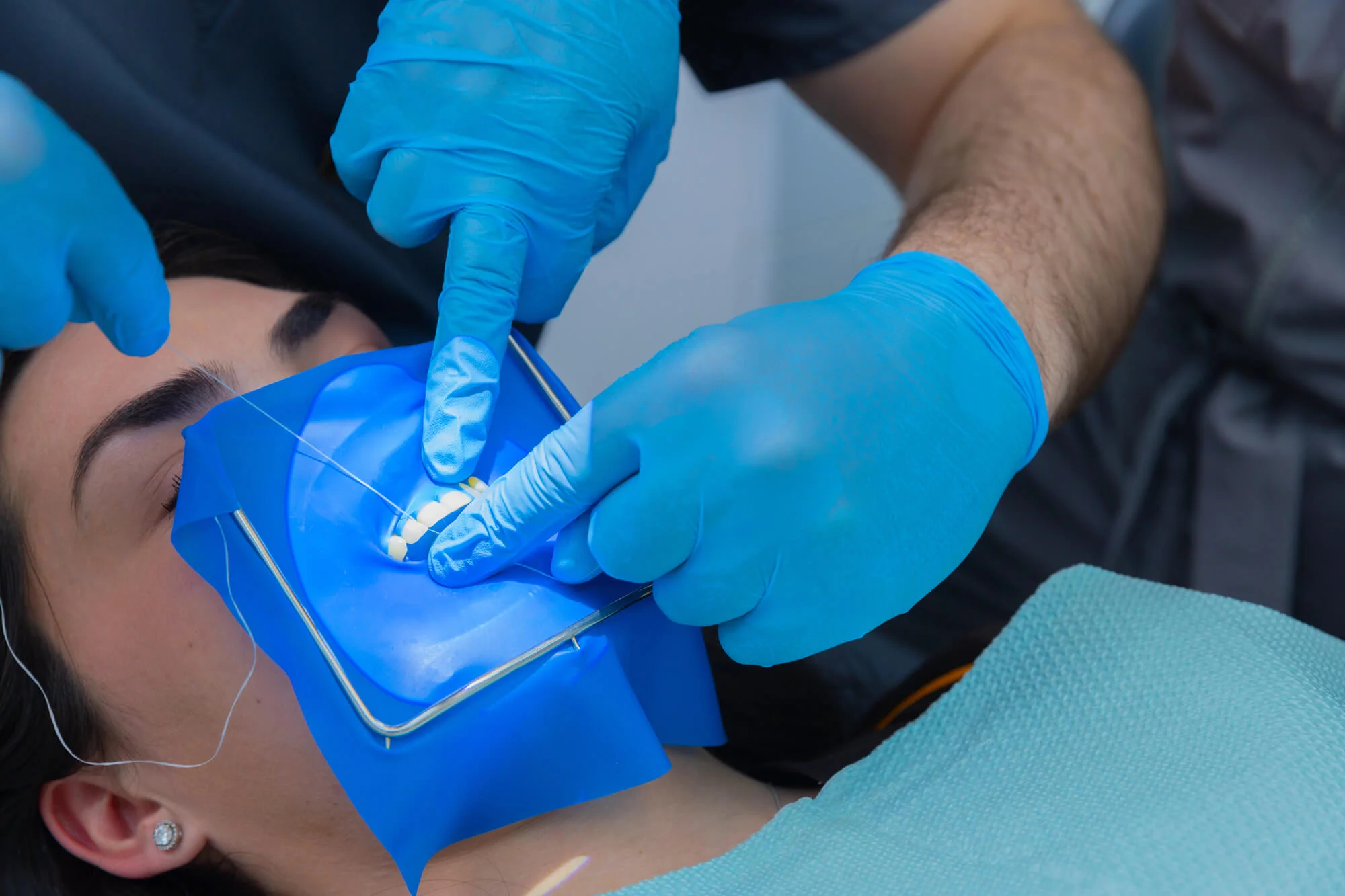
Maintaining a healthy smile goes beyond occasional dental visits. It requires a consistent oral hygiene routine and professional care. At Smile Dental Care, we combine preventive hygiene with specialized periodontics in Plainsboro, NJ, so your teeth and gums get the care they need under one roof.
From routine cleanings to scaling and root planing and advanced gum disease treatment, our team provides personalized guidance to help you prevent disease and maintain long-term wellness.

Meet Our Board-Certified Periodontist: Dr. Jean Bichara
Our periodontal program is led by Dr. Jean Bichara, a board-certified periodontist with over 20 years of clinical experience. Dr. Bichara focuses on advanced periodontal treatment, dental implants, soft tissue graft, bone grafting, crown lengthening, and full mouth rehabilitation, including complex cases involving bone loss.
Credentials at a glance:
- Diplomate of the American Board of Periodontology
- Doctor of Dental Surgery (DDS), New York University, 1992
- Master of Science in Oral Biology, University of Louisville, 1997
- Specialty training in periodontics and implant placement
Dr. Bichara is known for his precise, patient-focused approach. He creates customized treatment plans that restore both gum health and confidence. Patients looking for a periodontist in Plainsboro can receive specialist-level gum care without leaving the practice they already know and trust.
Comprehensive Dental Hygiene Care
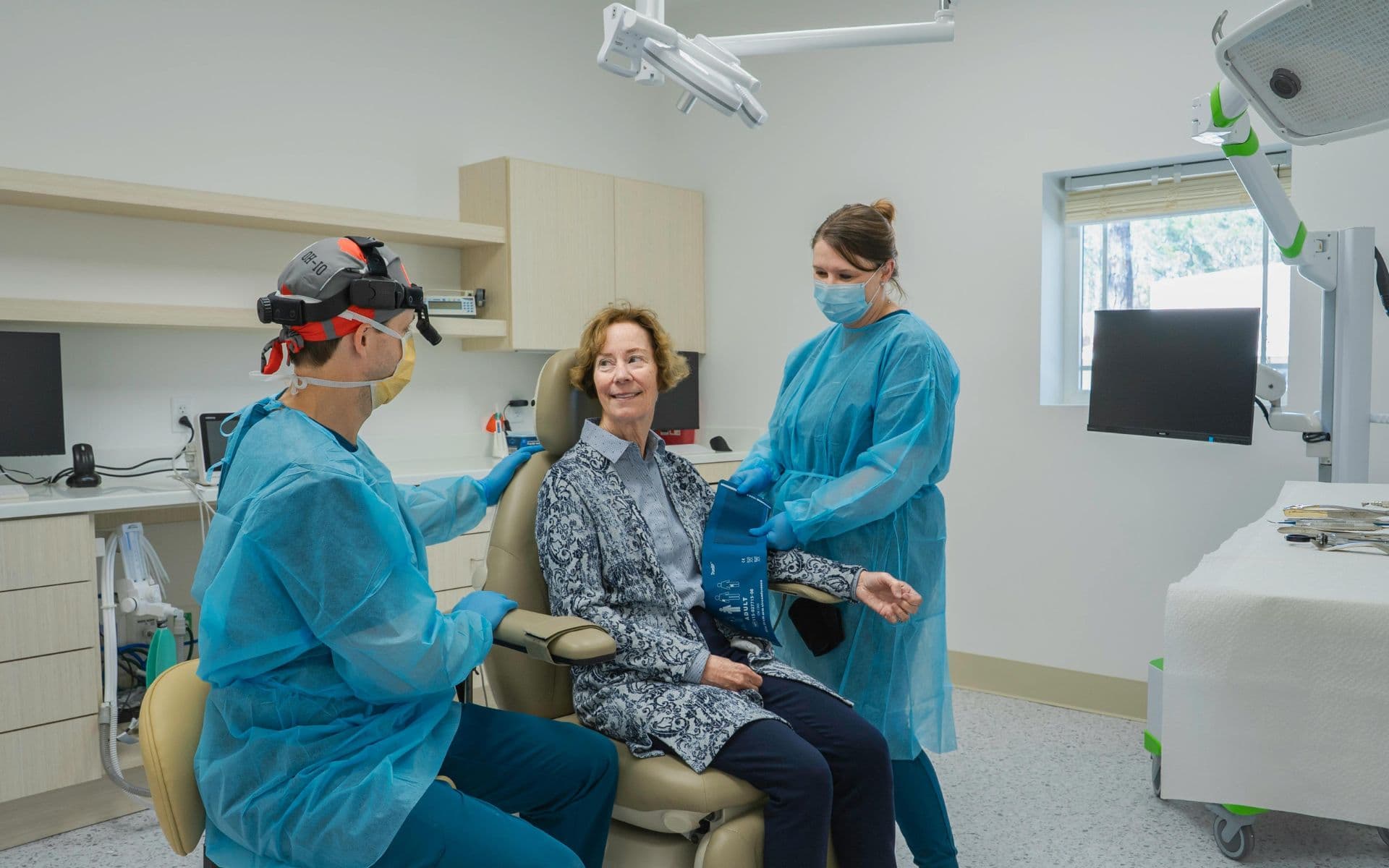
Good oral hygiene starts at home, but professional support ensures lasting results. During your visits, we thoroughly clean your teeth, remove plaque buildup, and evaluate your oral health.
We help patients maintain healthy smiles through:
- Professional dental cleanings to remove plaque and tartar
- Personalized brushing and flossing techniques
- Preventive treatments to reduce cavities and gum disease
- Regular exams to detect early signs of oral issues
By combining at-home care with routine checkups, you can keep your smile bright and strong.
Periodontal Health and Gum Disease Prevention
Healthy gums are the foundation of a healthy smile. When plaque and bacteria accumulate below the gumline, they can lead to inflammation, bleeding, and periodontal disease.
Left untreated, gum disease can destroy the bone and tissue that hold your teeth in place. It has also been linked to health conditions such as heart disease and diabetes.
Our periodontal care focuses on:
- Early detection of gum disease symptoms
- Deep cleanings to remove bacteria below the gums
- Ongoing maintenance to prevent progression
- Referrals to specialists when advanced care is needed, including soft tissue graft or bone graftings.
Stages of Gum Disease
Gum disease develops gradually, and catching it early makes treatment simpler and more effective.
- Gingivitis: This is the earliest stage. Gums may be red, swollen, or bleed when you brush. There's no bone loss yet, and it can usually be reversed with a professional cleaning and better home care.
- Early periodontitis: Bacteria spread below the gumline and create small pockets between the teeth and gums. Minor bone loss begins, and a deep cleaning is typically recommended.
- Moderate periodontitis: Pockets deepen, more bone and tissue are lost, and teeth may start to feel sensitive or slightly loose.
- Advanced periodontitis: Significant bone loss can cause teeth to shift, loosen, or fall out. Treatment may include surgical therapy, grafting, or tooth replacement.
Gum Disease Symptoms Checklist
Schedule a periodontal evaluation if you notice any of the following:
- Gums that bleed when you brush or floss
- Red, swollen, or tender gums
- Persistent bad breath or a bad taste in your mouth
- Gums that are pulling away from your teeth
- Teeth that look longer than they used to
- Loose or shifting teeth
- Changes in how your teeth fit together when you bite
- Pus between your teeth and gums
Gum disease is often painless in its early stages, which is why regular exams are so important.
Root Planing and Deep Cleaning
Root planing is an effective treatment for managing gum disease. This procedure removes hardened plaque and smooths the tooth roots, helping gums reattach and heal properly.
If you've been searching for "deep cleaning teeth near me," our Plainsboro team offers this treatment in a comfortable, modern setting.
Benefits of root planing include:
- Reduced inflammation and gum sensitivity
- Elimination of harmful bacteria
- Improved gum attachment and stability
- Prevention of further periodontal damage
What a Deep Cleaning Involves and Feels Like
A deep cleaning, also called scaling and root planing, goes further than a regular cleaning. It reaches below the gumline to treat the source of infection.
Here's what to expect:
- Measuring your gums. We gently measure the depth of the pockets around each tooth and take digital X-rays to check for bone loss.
- Numbing for comfort. Local anesthesia numbs the areas being treated, so you'll feel pressure and vibration but not pain.
- Scaling. Ultrasonic and hand instruments remove plaque and tartar from above and below the gumline, deep into the pockets.
- Root planing. The root surfaces are smoothed so bacteria have a harder time sticking and your gums can reattach.
- Antimicrobial treatment, if needed. Your dentist may place medication in deeper pockets to help control bacteria.
Treatment is often divided into two or more visits, with one side of the mouth or a few sections treated at a time.
Recovery After Scaling and Root Planing
Most patients return to normal activities right away. Once the numbness wears off, your gums may feel tender, and your teeth may be sensitive to hot and cold for a few days. To support healing:
- Take over-the-counter pain relievers as needed
- Rinse gently with warm salt water
- Eat soft foods for the first day or two
- Keep brushing gently and flossing carefully
- Avoid smoking, which slows healing
Bleeding and swelling usually improve within a week. We'll re-check your gums in about 4 to 6 weeks to measure how well they've healed.
Periodontal Maintenance: Keeping Gum Disease Under Control
Gum disease can be managed, but it can return if bacteria build up again. After your deep cleaning, we'll recommend periodontal maintenance visits, usually every three to four months.
These appointments include a thorough cleaning below the gumline, pocket measurements, and a check for any changes. Staying on schedule is one of the best ways to protect your results and keep your natural teeth for life.
Oral Cancer Screenings
Oral cancer screenings are a vital part of preventive dental care. Using advanced technology, we can detect abnormalities that may not be visible during a standard exam.
Regular screenings are especially important if you:
- Use tobacco products
- Consume alcohol frequently
- Have a history of oral health issues
Early detection significantly improves treatment outcomes and protects your overall health.
Deep Cleaning Cost & Insurance
The cost of a deep cleaning depends on how many areas of your mouth need treatment, how deep the pockets are, and whether antimicrobial therapy is included. We'll review your treatment plan and give you a clear estimate before your procedure.
Most dental insurance plans cover a portion of scaling and root planing and periodontal maintenance, and our office accepts most major insurance plans. Our team will help verify your benefits. For any remaining balance, flexible financing through Sunbit lets you pay over time.
Frequently Asked Questions
Scaling and root planing is a deep cleaning that treats gum disease. Scaling removes plaque and tartar from above and below the gumline. Root planing smooths the tooth roots so your gums can heal and reattach.
Local anesthesia keeps you comfortable during treatment. Afterward, mild tenderness and sensitivity are common for a few days. Most patients manage this easily with over-the-counter pain relievers.
Bleeding, swollen, or receding gums, persistent bad breath, and loose teeth are common signs. The only way to know for sure is a periodontal exam, where we measure your gum pockets and check your X-rays.
Yes. A periodontist is a dentist who completed several additional years of specialty training focused on the gums, the jawbone, and dental implants. Dr. Bichara is board-certified in periodontology, so he's qualified to treat complex gum disease and bone loss.
Most dental insurance plans cover part of scaling and root planing when it's medically necessary. Coverage varies by plan, so our team will check your benefits and explain any out-of-pocket costs before treatment.
Schedule Your Periodontal Visit at Smile Dental Care
Take control of your oral health with expert hygiene and gum disease treatment in Plainsboro, NJ. Whether you need a routine cleaning, a deep cleaning, or advanced periodontal care with Dr. Bichara, our team is here to help. Contact Smile Dental Care today to schedule your appointment and keep your smile healthy for years to come.