



A root canal is a highly effective dental procedure designed to save a damaged or infected tooth and restore your comfort. At Smile Dental Care, we provide modern, gentle endodontic care to eliminate pain and preserve your natural smile.
If you're searching for a root canal in Plainsboro, NJ, our team uses advanced techniques that make treatment more comfortable and efficient than ever.

What Is Root Canal Treatment?
Root canal therapy treats the inner portion of the tooth, known as the pulp. The pulp contains nerves, blood vessels, and connective tissue. When this area becomes infected due to deep decay, cracks, or trauma, it can cause severe discomfort. Left untreated, the infection can spread to the jawbone and surrounding teeth.
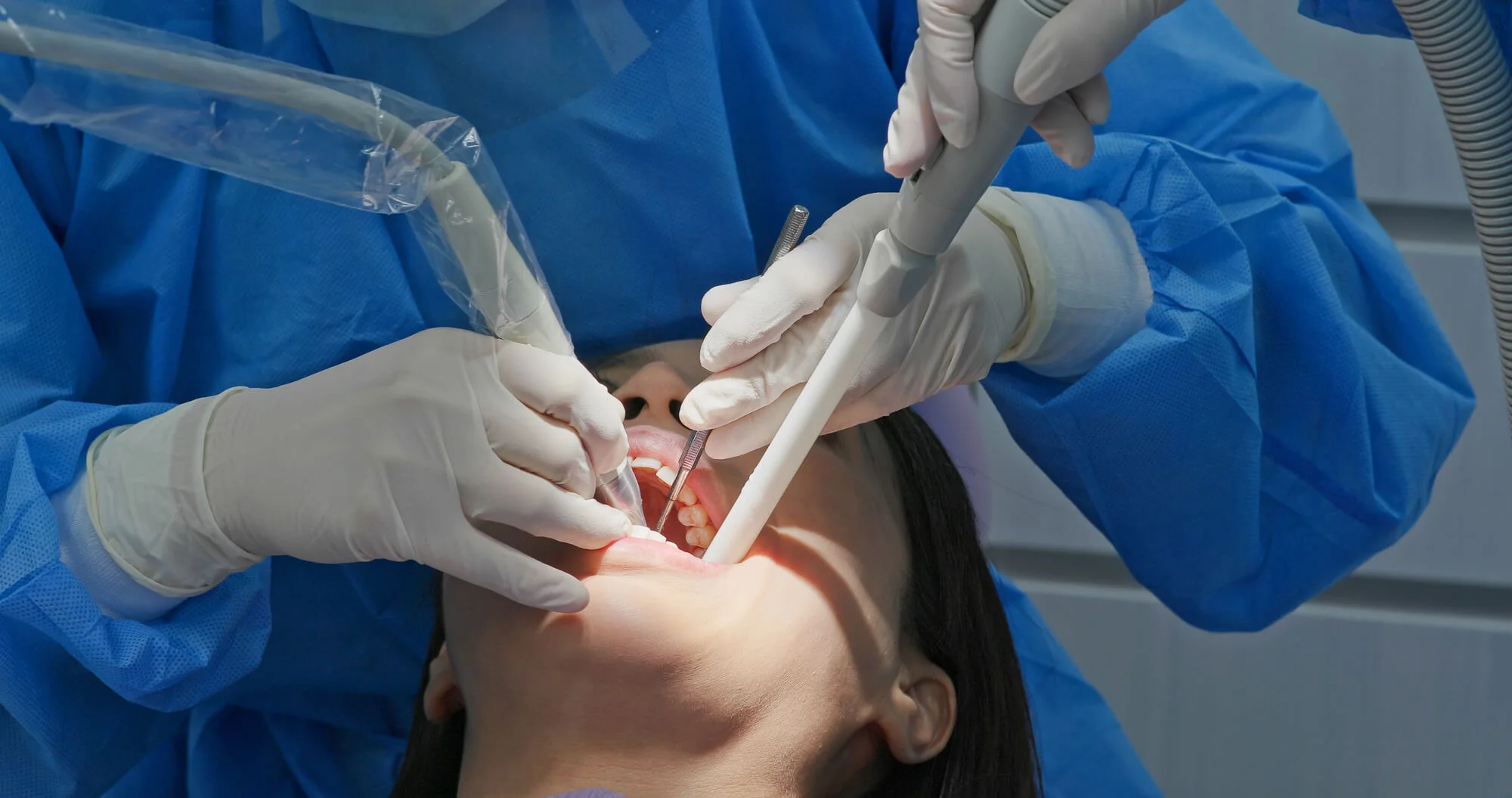
During the procedure, your dentist carefully removes the infected tissue, cleans and disinfects the canal, and seals it to prevent further infection. This tooth infection treatment relieves pain and saves your natural tooth, so you avoid an extraction and the cost of replacing a missing tooth.

Signs You Need a Root Canal: A Quick Checklist
Recognizing the symptoms early can help prevent more serious dental problems. Call our office if you notice any of the following:
- Persistent tooth pain or pressure, especially when chewing or biting
- Sensitivity to hot or cold that lingers after the source is gone
- Swollen, tender, or darkened gums near one tooth
- Darkening or discoloration of a tooth
- A small bump, pimple, or abscess on the gums
- A chipped or cracked tooth that has become sensitive
- Pain that wakes you up at night or throbs on its own
Some infected teeth cause no pain at all and show up only on X-rays. That's another reason regular checkups matter. If any of these signs sound familiar, seeking prompt care is the best way to protect your tooth.
Your Root Canal Visit, Step by Step
Your comfort is a top priority at Smile Dental Care. Knowing what happens during your visit can take a lot of the worry out of treatment. Here's what to expect:
- Exam and digital X-rays. Your dentist examines the tooth and takes low-radiation digital X-rays to see the shape of the canals and how far the infection has spread.
- Numbing for comfort. Local anesthesia numbs the tooth and surrounding area completely. You'll stay awake and relaxed but won't feel pain.
- Protecting the tooth. A small protective sheet called a dental dam keeps the tooth clean and dry during treatment.
- Removing the infection. Your dentist creates a small opening in the tooth and removes the infected pulp and bacteria.
- Cleaning and shaping. Using rotary endodontics, your dentist cleans and shapes the canals with flexible, motorized instruments. This technology is faster and more precise than traditional hand files, which means a shorter, more comfortable appointment.
- Filling and sealing. The canals are filled and sealed with a biocompatible material to keep bacteria out.
- Temporary restoration. A temporary filling protects the tooth until your permanent crown is placed.
Protecting Your Tooth with a Crown After Your Root Canal
After a root canal, a tooth can become more brittle, especially a back tooth that handles heavy chewing forces. In most cases, we recommend a custom dental crown to strengthen and protect the treated tooth.
A crown covers the entire visible surface of the tooth, restoring its shape, strength, and natural appearance. It also helps prevent cracks that could compromise your root canal down the road. Your dentist will let you know whether a crown or a simpler filling is right for your tooth.
Root Canal Recovery: What to Expect
Most patients return to work or school the next day. It's normal for the tooth and surrounding gums to feel tender for a few days, especially if there was significant infection before treatment. Over-the-counter pain relievers usually manage this discomfort well.
To support a smooth recovery:
- Avoid chewing on the treated tooth until your permanent restoration is in place
- Wait until the numbness wears off before eating
- Keep brushing and flossing gently around the area
- Take any prescribed medication exactly as directed
If you notice severe pain, swelling that gets worse, or a reaction to medication, call our office right away. You can also review our post-op instructions for more detailed aftercare tips.
Root Canal Cost & Insurance
Root canal cost depends on which tooth needs treatment, how many canals it has, and whether you'll need a crown afterward. We'll give you a clear treatment estimate before your procedure begins, so there are no surprises.
Most dental insurance plans cover a portion of root canal therapy, and we accept most PPO plans. Our team will help verify your benefits and maximize your coverage. If you have an out-of-pocket balance, flexible payment options through Sunbit let you get the care you need now and pay over time.
Saving your natural tooth with a root canal is often more affordable than extracting it and replacing it with a bridge or implant.
Emergency Root Canal Care in Plainsboro
Tooth infections don't wait for a convenient time. If you're dealing with severe tooth pain, facial swelling, or a dental abscess, don't wait for the problem to get worse. Our team offers emergency visits and will do our best to see you quickly and relieve your pain.
Benefits of Root Canal Therapy
Root canal treatment offers both immediate relief and long-term benefits:
- Eliminates pain and infection
- Preserves your natural tooth
- Restores normal chewing and function
- Prevents spread of infection to nearby teeth and bone
- Improves overall oral health
Frequently Asked Questions
With modern anesthesia and rotary instruments, most patients say a root canal feels similar to getting a filling. The procedure is designed to relieve pain, not cause it. Some tenderness afterward is normal and usually fades within a few days.
Common signs include lingering sensitivity to hot or cold, persistent tooth pain, swollen gums, tooth discoloration, or a bump on the gums. Some infections cause no symptoms at all. An exam and X-rays are the only way to know for sure.
Most root canals take about 60 to 90 minutes and can often be completed in one visit. Molars with several canals or teeth with severe infection may need a second appointment.
Most teeth, especially molars and premolars, need a crown after a root canal to protect them from cracking. Front teeth sometimes only need a filling. Your dentist will recommend the best option for your tooth.
Schedule Your Root Canal Consultation Today
Don't let tooth pain disrupt your life. If you've been searching for an endodontist in Plainsboro, our experienced team at Smile Dental Care is here to help. We provide comfortable, effective root canal treatment tailored to your needs. Contact us today to schedule your consultation and take the first step toward lasting relief.